a design for landscape experiences as an instrument in the making of meaning
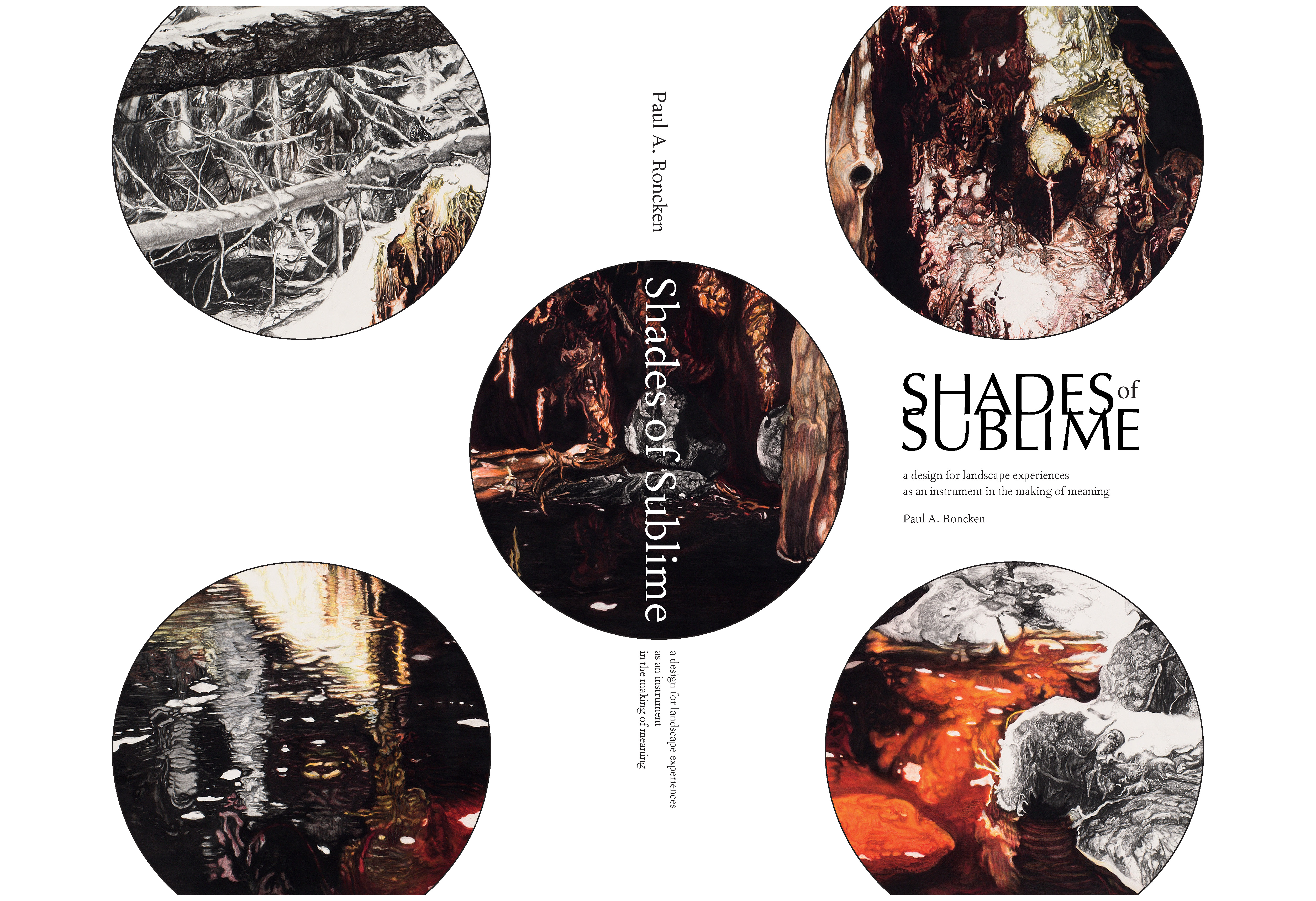
PhD Wageningen Universiteit & Research
Promotors
Prof. Dr A. van den Brink
Professor of Landscape Architecture
Wageningen University & Research
Prof. Dr E.A. de Jong
Professor of Culture, Landscape and Nature (Artis Chair)
University of Amsterdam
Co-promotor
Prof. Dr M.G.C. Schouten
Special professor, Ecology and Nature Conservation
Wageningen University & Research
Historically, the idea of the sublime is often associated with grand and astounding natural scenery. This thesis investigates a twenty-first century idea of the sublime that includes dissonant phenomena such as extreme pollution and changing waterregimes due to climate change. The subject of the sublime is symbolic of how unprepared the general audience is for dealing with the inherent disorders that arise when confronted with ‘negative’ aesthetic engagement. Landscape design, however, can mediate this experience to facilitate a creative act of imagination and identification with contemporary sublime phenomena. This in turn provides an opportunity to speculate on a future landscape architectural repertoire.
Four Letters
The following collection of four fictive letters represents a discourse over a long period of time. The letters express how the experience of nature and of designed landscapes including cities; has changed over time.
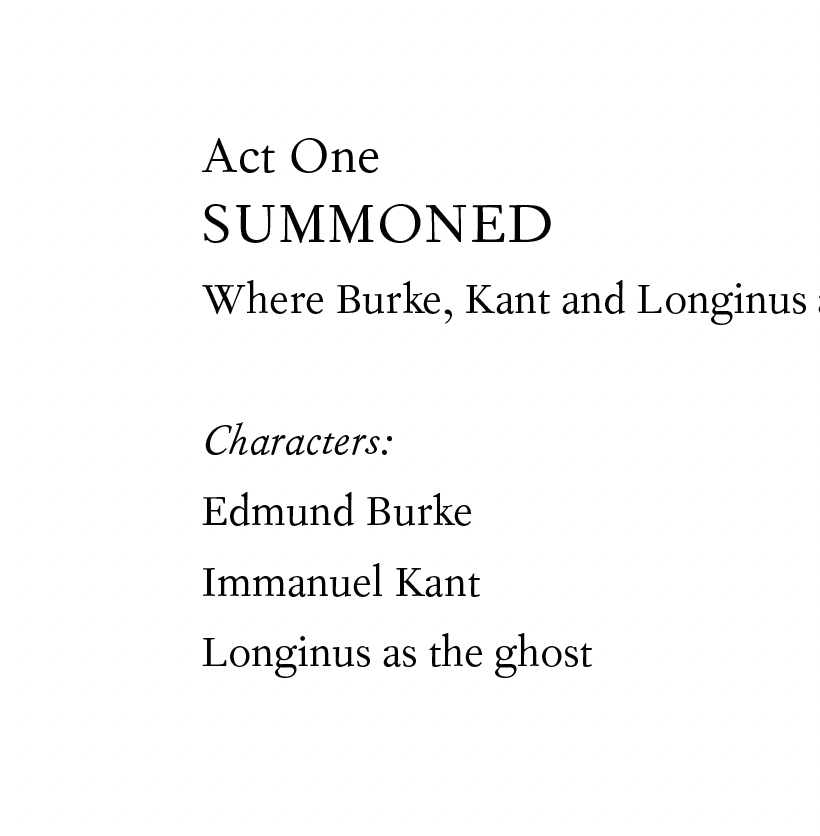
A play in three acts
This thesis includes a play in three acts. The play aims to better understand and interpret the influences of the historical personalities that have shaped the idea of the sublime. By writing fictive dialogues between historical characters, I aimed to explore the various historical attempts to define the sublime and portray its changing and diverse character.
The whole book
In experiential terms, the idea of the sublime can be interpreted as an extreme type of aesthetics, a supernova of sensations (after: Lewis 2003). It is extreme, at both ends of the emotional spectrum – both in its uplifting and oppressive forms. In its darker forms, it may be expressed as a harsh, spartan lifestyle and a desire to ‘live deep and suck out all the marrow of life’ (Thoreau 1854). In a more light-hearted version it is an inspiring experience with an uplifting effect (Longinus 2010 (third century)). The fact that the whole of nature is bigger and more complex than any individual can imagine or fathom may induce some fear, but this can settle within moments into a sense of awe and respect (Kant 1951 (1790)). Some believe that the idea of the sublime may help human beings to regain a rightful humility regarding our treatment of nature (Brady 2013).
 paul roncken - landschapsarchitect - wetenschapper - dialoogvoering - schrijver/dichter